TARGET 1: THE UNIVERSITY’S ACADEMIC DIVISIONS AND PORTFOLIOS SUPPORT AND LEARN FROM EACH OTHER TO EMBED SUSTAINABILITY IN PRACTICE AND IN LEARNING.
INDICATORS OF PERFORMANCE
- Sustainability-focused or contributory staff in each Academic Division and portfolio, responsible for teaching and learning, activities and engagement
- Case studies demonstrating peer learning and communities of practice across Academic Divisions and portfolios regarding sustainability knowledge and action
HOW FEIT IS RESPONDING
- Academic staff will offer sustainability related research projects opportunities to Honors and Masters students
- We will continue to be involved in and support the Wattle fellowship
- We will continue the Sustainability@FEIT initiative
TARGET 2: THE UNIVERSITY COMMUNITY SHOWS INCREASED UPTAKE OF POSITIVE SUSTAINABILITY SKILLS, KNOWLEDGE AND BEHAVIOURS THROUGH NON-FORMAL AND INFORMAL LEARNING.
INDICATORS OF PERFORMANCE
- Increased awareness of and participation in sustainability-focused and sustainability-inclusive activities, and sustainability-related day-to-day behaviours, as measured in surveys (for example biennial Staff and Student Sustainability Survey and others), including:
- Organised activities
- Participation in Green Impact and Sustainability Advocates
- Use of sustainable modes of transport
- Purchase of sustainably sourced and packaged food
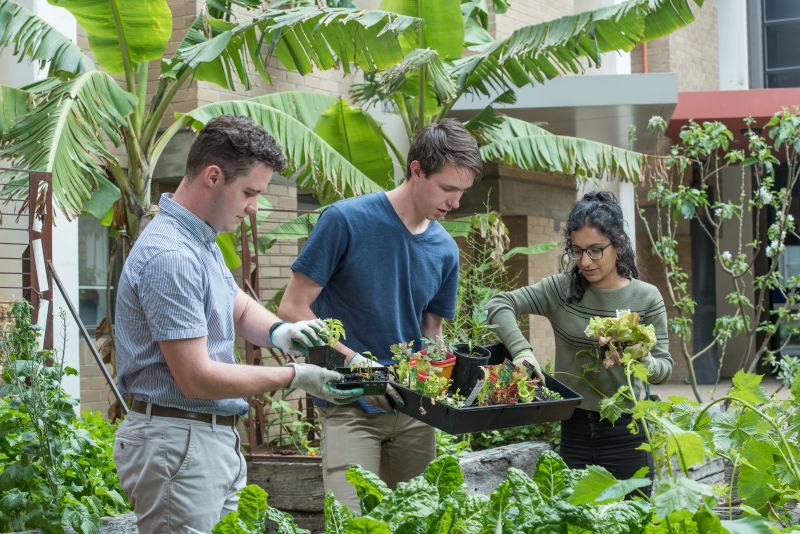
- Participation in community gardens.
HOW FEIT IS RESPONDING
- We will include participation in Green Impact in its KPIs and will promote the program to all staff and students

TARGET 3: THE UNIVERSITY OFFERS A SUITE OF STUDENT-CENTERED, FORMAL AND NON-FORMAL APPLIED SUSTAINABILITY LEARNING OPPORTUNITIES, INFORMED BY INTER AND TRANS-DISCIPLINARY APPROACHES.
INDICATORS OF PERFORMANCE
- Number of participants in:
- Relevant applied learning, internship and volunteering opportunities
- Relevant streams of the Melbourne Plus program
HOW FEIT IS RESPONDING
- We will identify 3 new opportunities for student sustainability internships within the faculty by the end of 2023
- We will engage with student-run clubs in the faculty to identify and support opportunities for student participation in the Melbourne Plus sustainability stream
TARGET 4: ACADEMIC AND PROFESSIONAL STAFF HAVE INCREASED THEIR PARTICIPATION IN AND CONTRIBUTION TO FORMAL AND NON-FORMAL LEARNING TO DEVELOP THEIR GENERAL AND ROLE-SPECIFIC SUSTAINABILITY SKILLS.
INDICATORS OF PERFORMANCE
- Proportion of all staff who have completed the Sustainability@Melbourne learning module
- Number of academic staff who have undertaken professional development related to Education for Sustainability
HOW FEIT IS RESPONDING
- We will support staff in completing the Sustainability@Melbourne learning module
- We will develop a professional development training course for teaching new staff related to Education for Sustainability

TARGET 5: THE UNIVERSITY HAS INCREASED OUR ENGAGEMENT WITH ALUMNI REGARDING SUSTAINABILITY.
INDICATORS OF PERFORMANCE
- Annual climate and sustainability alumni community snapshot, including the number of related events and high-level audience demographics
- Alumni profile or case study demonstrating the impact our alumni have in sustainability is produced
HOW FEIT IS RESPONDING
- We will develop a profile every quarter on a FEIT alumni demonstrating sustainability