About us
Creating transformative solutions for patient treatment and recovery.
We bring together expertise from engineering, technology, medicine and science to develop tools to improve community health and individual patient outcomes.
We conduct world-renowned research in advanced biomechanics, electroceuticals, neuroimaging, personalised implants, biomaterials, regenerative medicine, informatics, and signal processing.
Our research facilities are part of one of the world’s leading biomedical precincts in Parkville, Melbourne. We partner locally, nationally and internationally with clinicians, surgeons, medical research institutes, regulatory agencies and industry.
Our innovations include 3D printed personalised devices, implantable bionic devices to restore hearing and vision, and electronics linked directly to the nervous system to predict and prevent epileptic seizures.
Since October 2022, the Graeme Clark Institute (GCI) for Biomedical Engineering has led the MedTech Platform that draws on engineering strengths in research, teaching and engagement at Faculty of Engineering and Information Technologies (FEIT) to develop solutions, applications and devices that help meet medical needs.
Why it matters
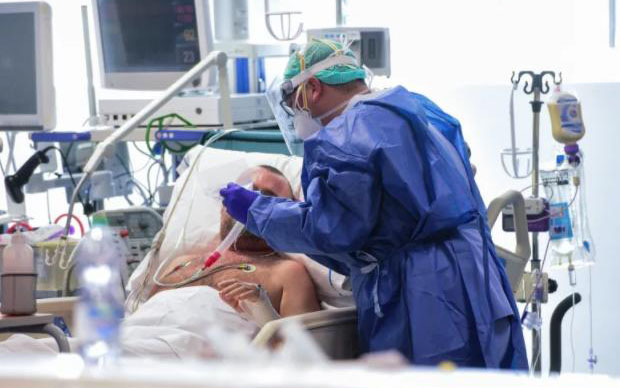
Our MedTech program provides the pathway to bring new technologies into real-world healthcare applications. New materials, personally tailored devices and better preventative and diagnostic tools improve long-term outcomes for patients and society. During the COVID-19 pandemic, we responded quickly to address unmet needs for new technologies that would help clinicians safely deliver better care to patients with coronavirus. In all healthcare sectors, from the clinic to personal disease prevention, MedTech is catalysing a revolution in patient care.
Doing business with us
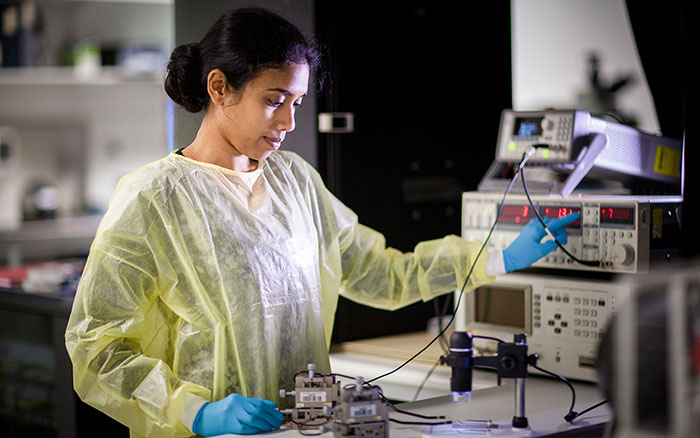
Our innovation philosophy is centred on close relationships with hospitals and an understanding of the clinical challenges faced by clinicians and patients. We form inter-disciplinary research teams to explore new possibilities for care and recovery. Our development pipeline extends from conception all the way through to meeting regulatory requirements for new medical devices. That means our R&D is anchored by real-world challenges and structured to allow rapid delivery and uptake.

Research innovation success
Our research teams don’t just excel at innovation. We are global pioneers on multiple fronts. With our brain and vision technologies, we lead the way with devices that sit at the brain-machine interface. In the field of personalised orthopaedics and maxillofacial implants, we achieved a world first with a personalised jaw joint replacement. In the emerging area of electroceuticals, we are leading with a monitoring device, Minder™, which improves management of epilepsy and seizure-related conditions.
Working with industry
We work closely with industry to develop innovative MedTech solutions that expand or create new markets. We partner with local and global organisations directly to broaden their R&D base and adopt flexible strategies under many partnership models. Partnerships often culminate in hosting innovation hubs with industry. The ARC Training Centre for Medical Implant Technologies that brings together 23 organisations that are key players in the global supply chain of 3D printed technologies.
Education
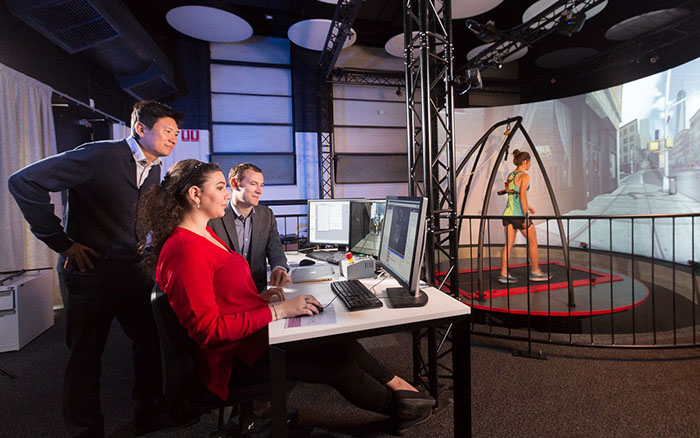
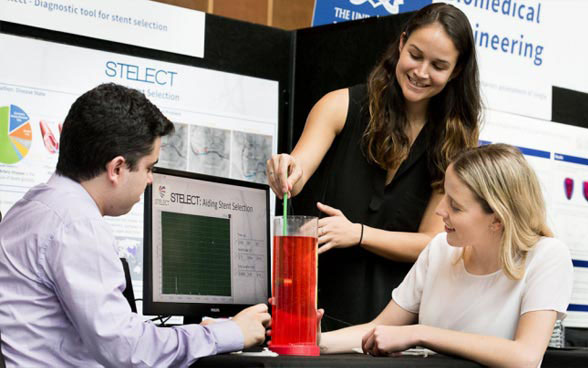
Our education programs cultivate real-world problem solvers, innovators and entrepreneurs. The Biodesign Innovation program teams Biomedical Engineering with Business Administration students to design devices that meet important clinical needs. Empowered to pursue commercialisation, students have launched a new generation of start-up companies. Two of these companies are Stelect and Navi Medical Technologies, whose founders have been listed in the Forbes 30 Under 30 Asia lists of young entrepreneurs. Find out more about the Biodesign Innovation program.