Two innovative cross-disciplinary projects awarded inaugural ABP-FEIT research collaboration grants
Two new cross-disciplinary projects, one focused on zero-carbon building and the other on the transition to electromobility, have each received a $20,000 ABP-FEIT Research Collaboration Grant.
These grants aim to foster interdisciplinary research collaboration between the Faculties of Architecture, Building and Planning (ABP) and Engineering and Information Technology (FEIT). This is a particularly exciting step as both faculties consider the collaborative possibilities of the future Fisherman’s Bend campus.
Created to seed innovative initiatives focused on either discovery or industry engagement, the grants also aim to support the development of new collaboration between ABP and FEIT academic staff members, focusing on transformative ideas and approaches.
The awarded projects exemplify the spirit of these grants, pushing the boundaries of knowledge and engagement in their respective fields.
The ABP-led collaboration, coordinated by Professor Sarah Bell, is poised to develop new knowledge on how we manage the built environment through innovative digital solutions. Her team includes Dr Alice Kesminas (FEIT), Dr Davood Shojaei (FEIT), Professor Alex Felson (ABP), Associate Professor Christhina Candido (ABP), Associate Professor Kourosh Khoshelham (FEIT) and Professor Brandon McNiven (ABP).
 Professor Sarah Bell, City of Melbourne Chair in Urban Resilience and Innovation.
This project, titled 'Digital Estate for Zero-Carbon Building Portfolio: Decisive Information Requirements,' aims to unravel the complexities of achieving a zero-carbon building portfolio through the lens of digital innovation, specifically focusing on the University of Melbourne’s campus as a living laboratory.
Professor Bell's team will leverage the concept of Digital Twins, a digital replica of the physical environment, to bridge the information gap between what is currently available and what is needed for effective and sustainable decision-making. This involves gathering data on building and landscape structures, materials and performance, which is crucial for making decisions and designs geared towards achieving zero carbon emissions. The team will also look to understand the multiple-stakeholder requirements for digital data, in addition to the effective digitisation of the built environment.
Set to produce a comprehensive gap analysis, transferable framework and the foundation for ABP-FEIT Linkage and Retrofit Lab programs, this project will centralise knowledge, promote data reuse and strengthen the University’s position in the realm of digital transformation.
Dr Patricia Sauri Lavieri, who leads the FEIT-led collaboration, aims to tackle a critical aspect of the future of transportation. Her team includes Associate Professor Derlie Mateo-Babiano (ABP) and Ms Isrrah Malabanan (FEIT).
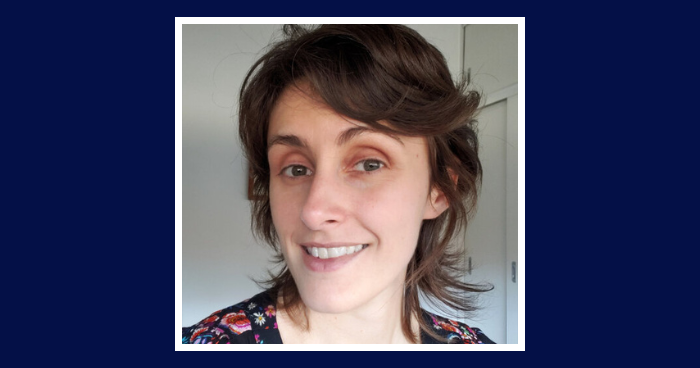 Dr Patricia Sauri Lavieri, Senior Lecturer in Transport Engineering.
Titled ‘’Toward a Just Electromobility Transition: Addressing Electric Vehicle Charging Barriers Faced by Renters and Multi-Unit Dwelling Residents,’ this project dives into the inequity of charging infrastructure provision, following Victoria’s ambitious targets for zero-emission vehicles. With a focus on the electrification of transport, Dr Lavieri’s project addresses the barriers that renters and residents in multi-unit dwellings (MUDs) face when it comes to accessing electric vehicle (EV) charging infrastructure. Her team recognises the importance of residential charging for EV users and aims to develop an EV-charging accessibility framework.
This project advocates for a participatory process in designing residential charging solutions for MUDs and rentals. The team hopes to create inclusive solutions that address the unique challenges faced by these individuals by examining policy and service model gaps from the users' perspective. This project's outcomes will contribute to a fairer electromobility transition, aligning with broader environmental goals, ensuring that no segment of the population is left behind in the transition to sustainable transportation.
The Faculty leadership congratulate Professor Bell, Dr Lavieri and their respective teams and looks forward to seeing the impact these collaborations will have on future endeavours.