New Frontiers in Urban Transport
Travel behaviour change and planning in an energy-uncertain era
Explore how changing fuel prices and public transport policies influence travel behaviour - and how to turn that evidence into better planning decisions.
Course Details:
Date: 23 November 2026
Time: 9:30 am - 3:30 pm
Delivery: Online and in person - at The University of Melbourne
Course fee: AUD $800
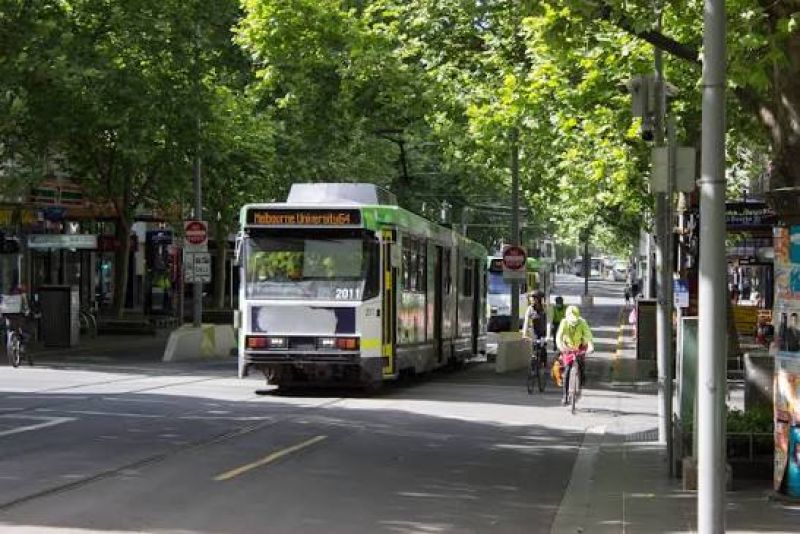
About the course
Fuel price instability can change how people travel, creating both opportunities and challenges for public transport operators, agencies and planners. How can we distinguish lasting behavioural shifts from short-term fluctuations and plan services and policies using reliable evidence?
This short course examines how travel behaviour responds to fuel price shocks and major public transport policy interventions, and how these responses can be measured, modelled and translated into planning decisions.
Drawing on international experience and recent Australian research, the course combines policy insights with practical training in travel behaviour research, survey design, sampling and quantitative analysis. Previously unpublished Australian data and findings from 2026 provide a contemporary case study throughout the course.
What the course will cover
International experience
Explore how fuel price changes affect public transport demand and mode choice. Examine international experiences with fare reductions, subsidies and free public transport, including what the evidence can—and cannot—tell us about their effectiveness.
Australian evidence from 2026
Examine new Australian data on how travellers respond to changing fuel prices and public transport fares, and consider the implications for transport planning.
Measuring travel behaviour change
Learn how to select appropriate data sources and research methods, design surveys that answer specific planning questions, avoid common sources of bias, and make informed decisions about sampling and sample size.
From data to evidence
Develop an understanding of econometric modelling, factor analysis and discrete choice analysis. Explore when these methods are useful, how to interpret their results, and the limitations of using stated intentions to predict actual behaviour.
The changing economics of travel
Consider how vehicle electrification, energy costs, public transport fares, active transport and emerging mobility options influence the relative costs and attractiveness of different travel modes.
What you will gain
By the end of the course, you will be better equipped to:
- Understand how fuel price instability and fare interventions influence travel behaviour.
- Apply lessons from international transport policies and experiences.
- Select suitable data sources and research designs.
- Design travel behaviour surveys that address practical planning questions.
- Make informed decisions about sampling and sample size.
- Assess the strengths and limitations of stated-preference evidence.
- Understand the purpose and interpretation of key analytical methods.
- Distinguish meaningful behavioural insights from statistical artefacts.
Who should attend?
The course is designed for transport planners, public transport agencies, state and local government professionals, consultants, policy professionals, researchers and others involved in transport strategy, demand forecasting or travel behaviour.
There are no prerequisites. Technical concepts will be introduced intuitively and progressively, making the course accessible to participants without specialist statistical training while providing analytical depth for experienced transport professionals.
Course delivery and instructors
The course will be delivered by Associate Professor Milad Haghani and the Geospatial Transport Engineering team at the Centre for Spatial Data Infrastructures and Land Administration (CSDILA), University of Melbourne.
Associate Professor Haghani is an award-winning scholar and a leading expert in urban mobility, transport safety and resilience. He is a frequent media commentator and invited keynote speaker on urban mobility and transport policy, and has developed and delivered multiple professional training courses across relevant industries, including courses on crowd safety, road safety and human factors.
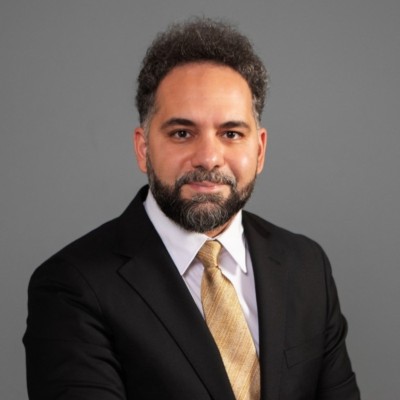
A/Prof Milad Haghani - Geospatial Transport Planning Co-lead at CSDILA
Express your interest
Interested in attending? Complete the form below to express your interest in the course.
The course fee is AUD $800. Submitting an expression of interest does not confirm a booking or require payment at this stage.