The National Indigenous Engineering Summit will explore how culture contributes to knowledge and how Indigenous perspectives, engineering, and education can come together to shape the future.
Welcome
We acknowledge the Traditional Owners of the land and waterways in which the National Indigenous Engineering Summit takes place, the land of the Wurundjeri Woi Wurrung people.
We pay respect to their Elders past and present, and acknowledge the importance of Indigenous knowledge in the Academy. As a community of researchers, teachers, professional staff and students, we are privileged to work and learn every day with Indigenous colleagues, partners and community members.
Overview
The National Indigenous Engineering Summit will explore how culture contributes to knowledge and how Indigenous knowledges, engineering, and education can come together to shape future systems of research, practice, and teaching.
The Summit will continue to explore the four evolving pillars:
- Growing Indigenous Participation in Engineering and IT
- Celebrating and Elevating Indigenous Engineering Knowledge
- Improving Digital Competencies and Community Access to Engineering and Technology Solutions
- Fostering Cross Cultural Competence in Engineering and IT
The Summit aims to bring Indigenous engineering and IT students together, as well as attendees representing engineering or tech companies, universities and community organisations that are passionate about amplifying collaborations and supporting pathways for Science, Technology, Mathematics and Engineering (STEM).
The Summit will be grounded in networking and inclusion, providing a meaningful space to bring colleagues together and drive a network of supporters for a national community within Indigenous engineering and IT.
Celebratory Dinner: National Indigenous Engineering Summit
The National Indigenous Engineering Summit Celebratory Dinner provides an opportunity for delegates to deeply network with other attendees.
Registration
The Faculty of Engineering and Information Technology is committed to ensuring a strong representation of Indigenous delegates at this event to allow equitable knowledge sharing. For non-Indigenous parties interested in attending, we request that you bring along an Indigenous colleague, community member or elder that would also benefit from attending. Non-Indigenous delegates will need to sponsor the registration and any associated travel costs for their guest.
Registrations are not yet open for 2027. To sign up for updated communications about the National Indigenous Engineering Summit, reach out to engit-indigenous@unimelb.edu.au
Delegate Sponsorship
Delegate Sponsorship are now closed for the 2026 National Indigenous Engineering Summit.
The National Indigenous Engineering Summit is supporting sponsorship for Indigenous tertiary students and community members to attend and contribute to our event. This initiative aims to support access for emerging Indigenous engineers and influential community members to participate in a national dialogue on Indigenous engineering, innovation and representation in STEM.
We encourage host universities to cover the registration and travel costs of their students to participate in the Summit due to a limited number of sponsorship spots.
Successful applicants are expected to contribute to the National Indigenous Engineering Summit program through their abstract submissions, student-focused sessions and other discussions. We will consult with applicants on potential opportunities.
To be eligible for student sponsorship, applicants must:
- Be of Aboriginal and/or Torres Strait Islander descent, identify as Aboriginal and/or Torres Strait Islander and be accepted as such by the community in which they live or have lived
- Be currently enrolled at an Australian university and undertaking studies in an engineering or technology degree or research program
- Be willing to attend and contribute to the National Indigenous Engineering Summit between 1 - 2 October 2026
To be eligible for community member sponsorship, applicants must:
- Be of Aboriginal and/or Torres Strait Islander descent, identify as Aboriginal and/or Torres Strait Islander and be accepted as such by the community in which they live or have lived
- Be willing to attend and contribute to the National Indigenous Engineering Summit between 1 - 2 October 2026
2026 National Indigenous Engineering Summit
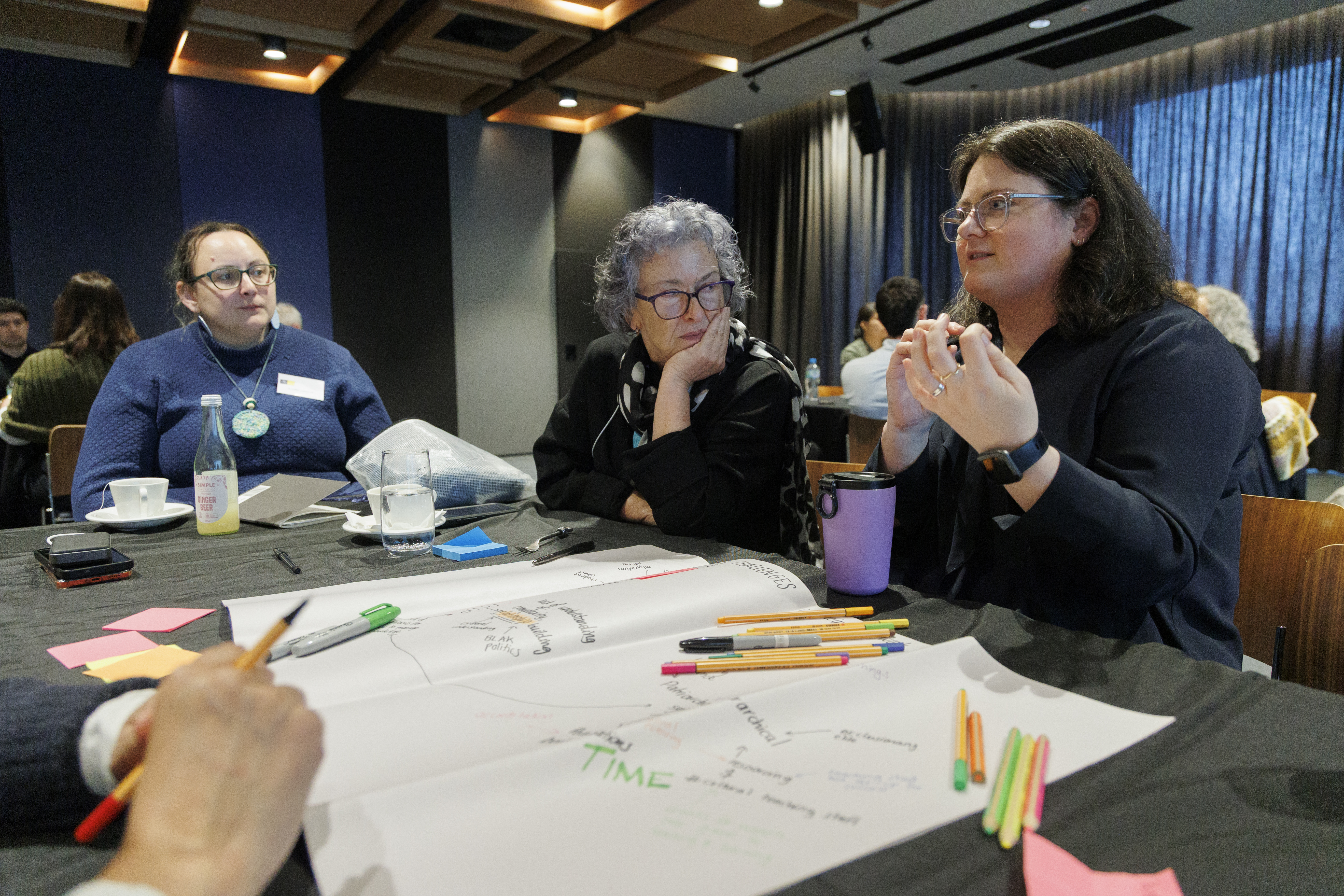
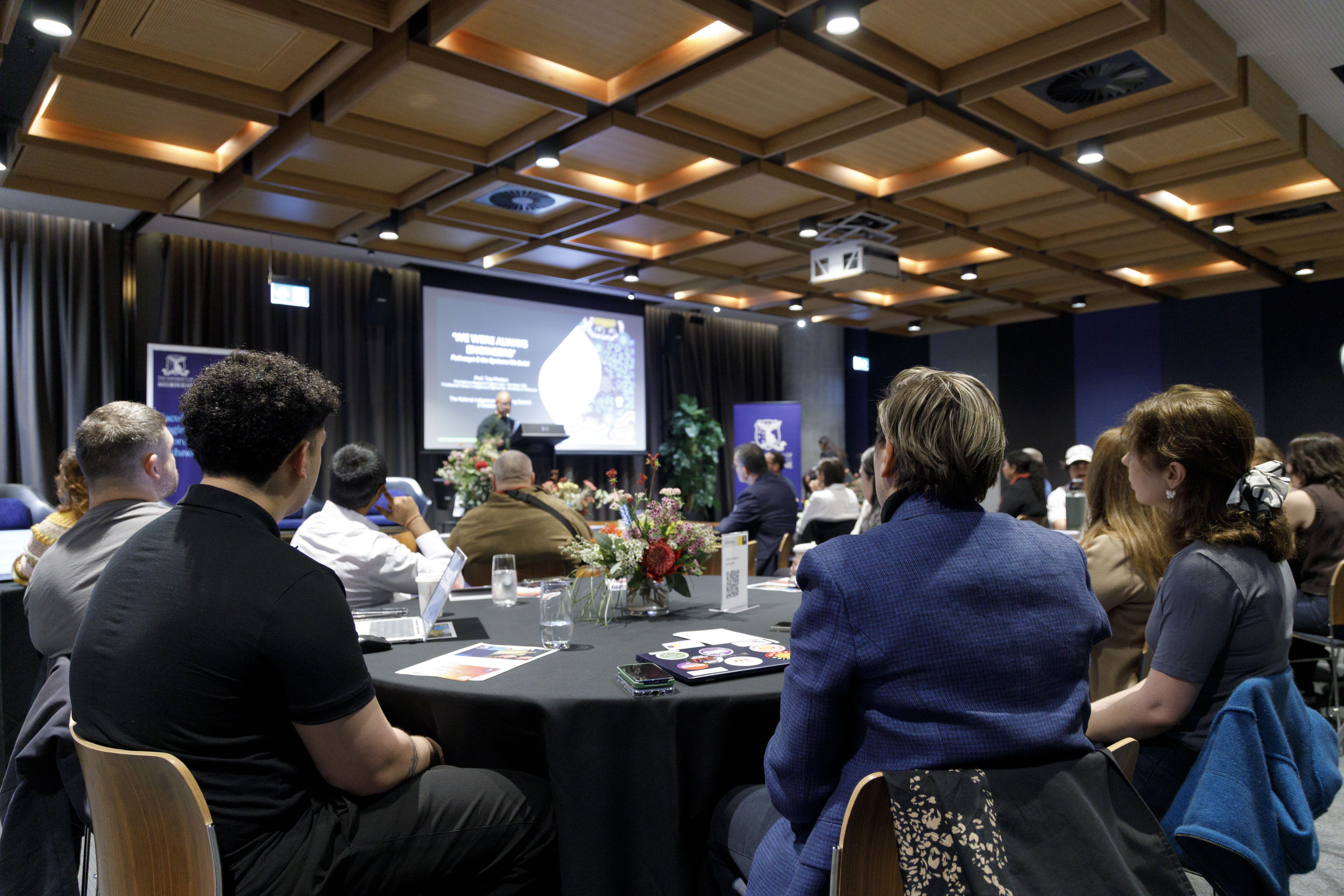
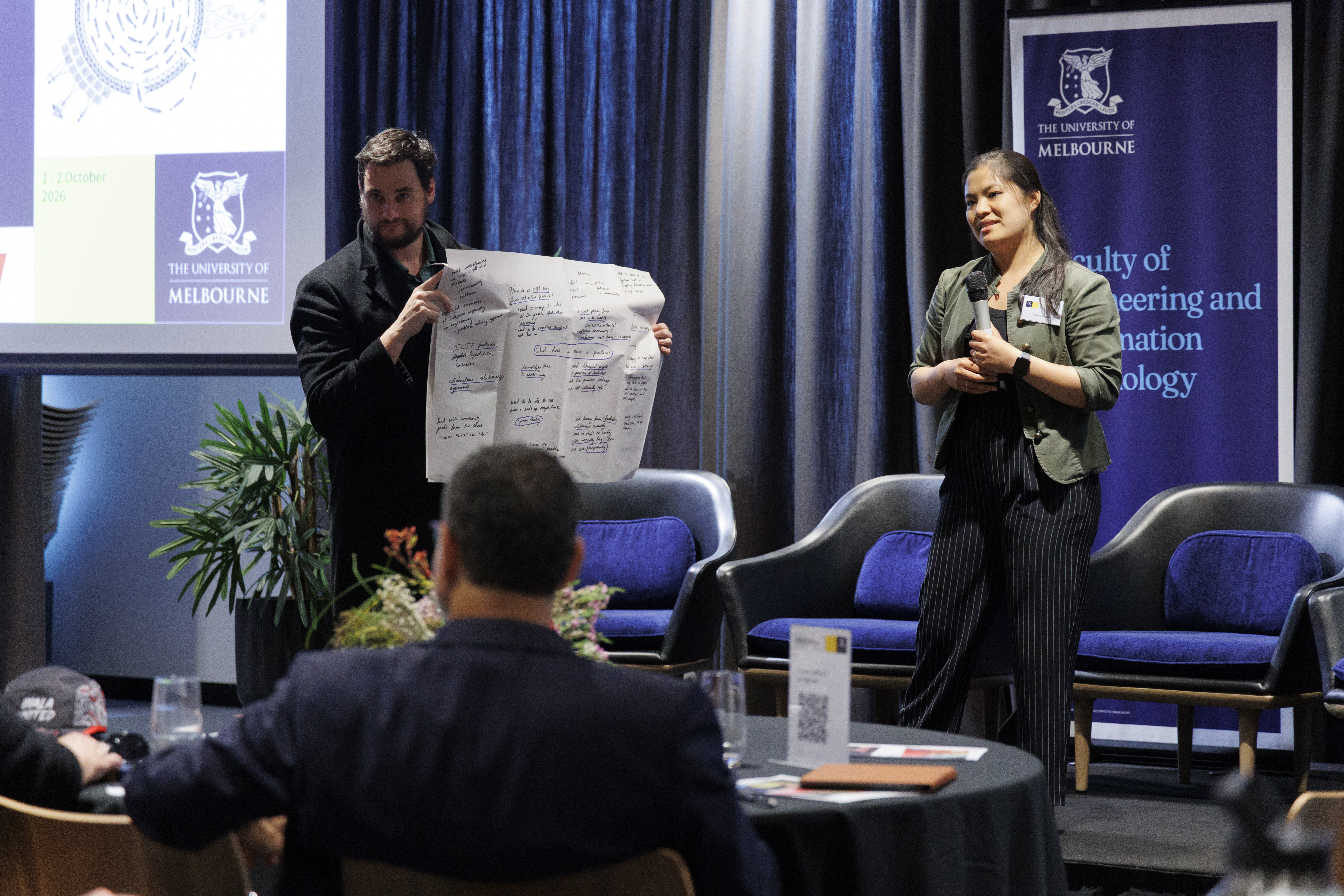
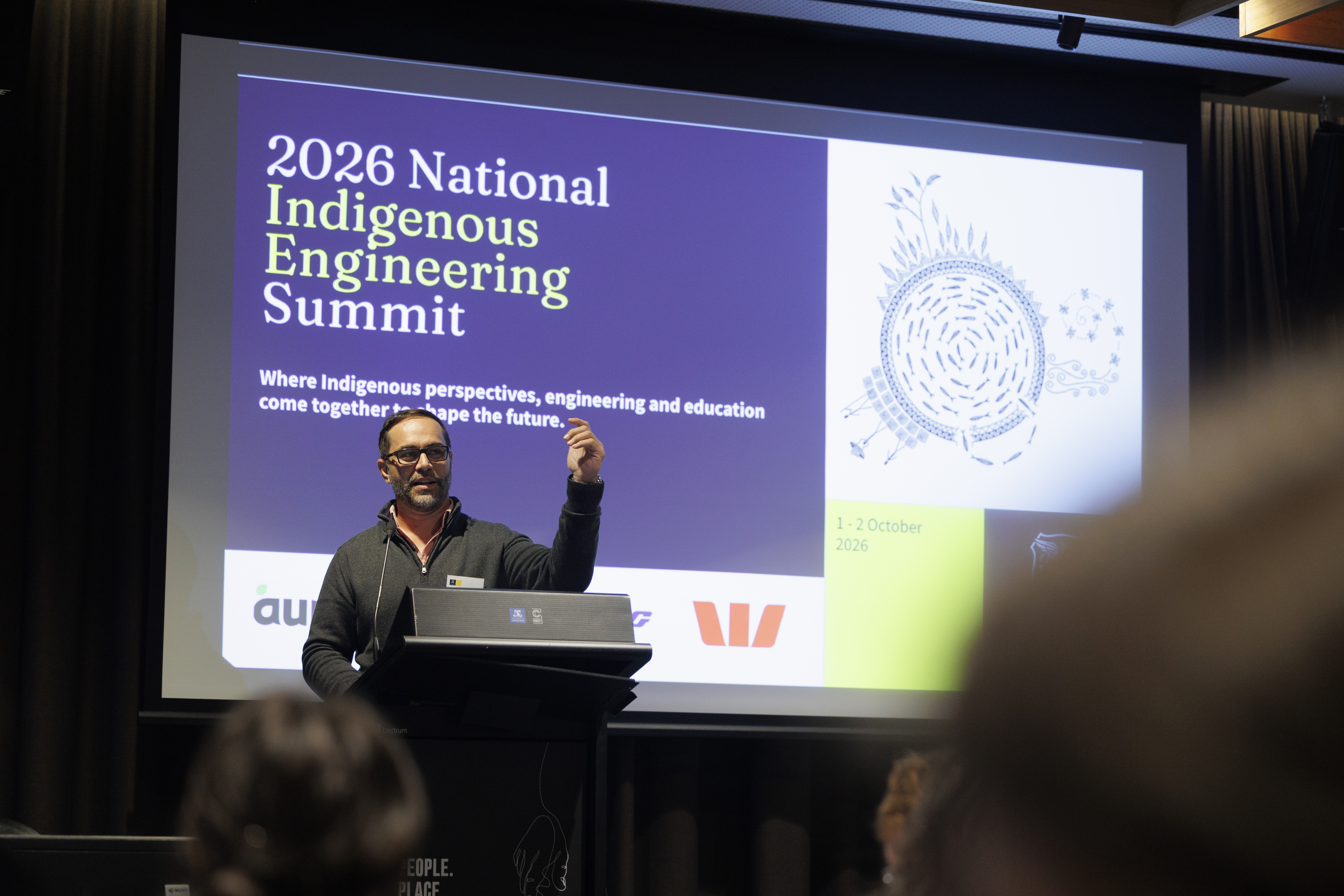
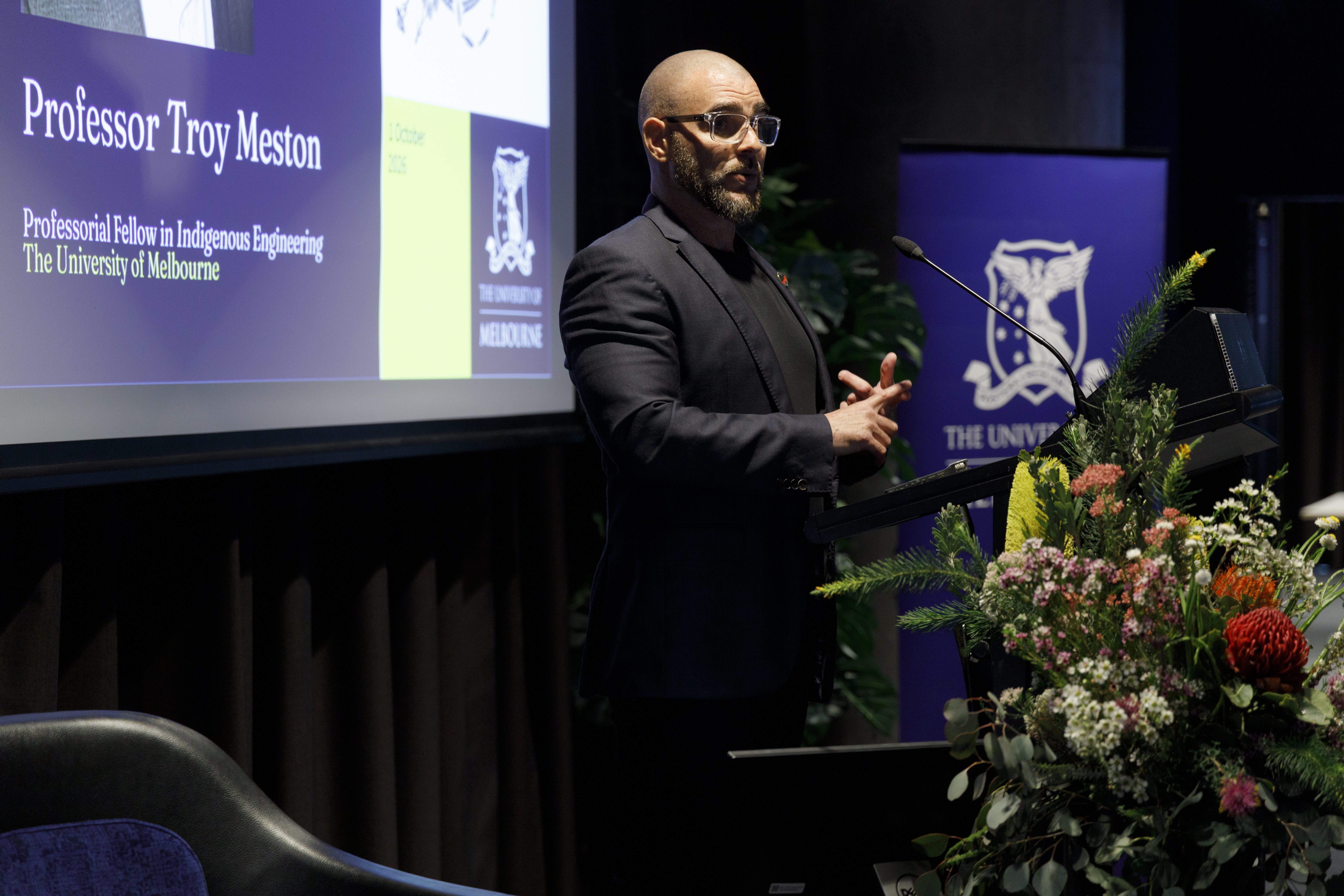
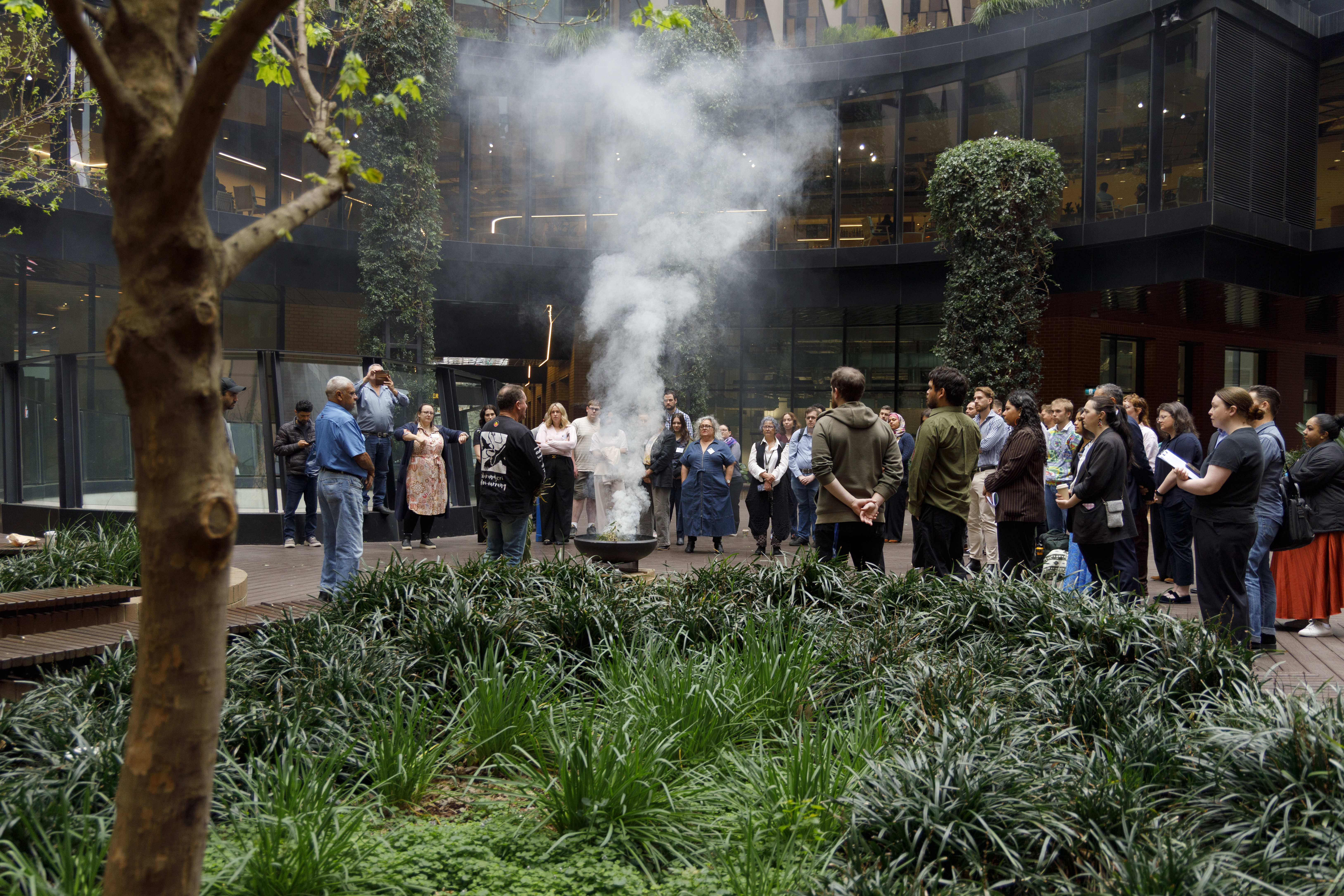
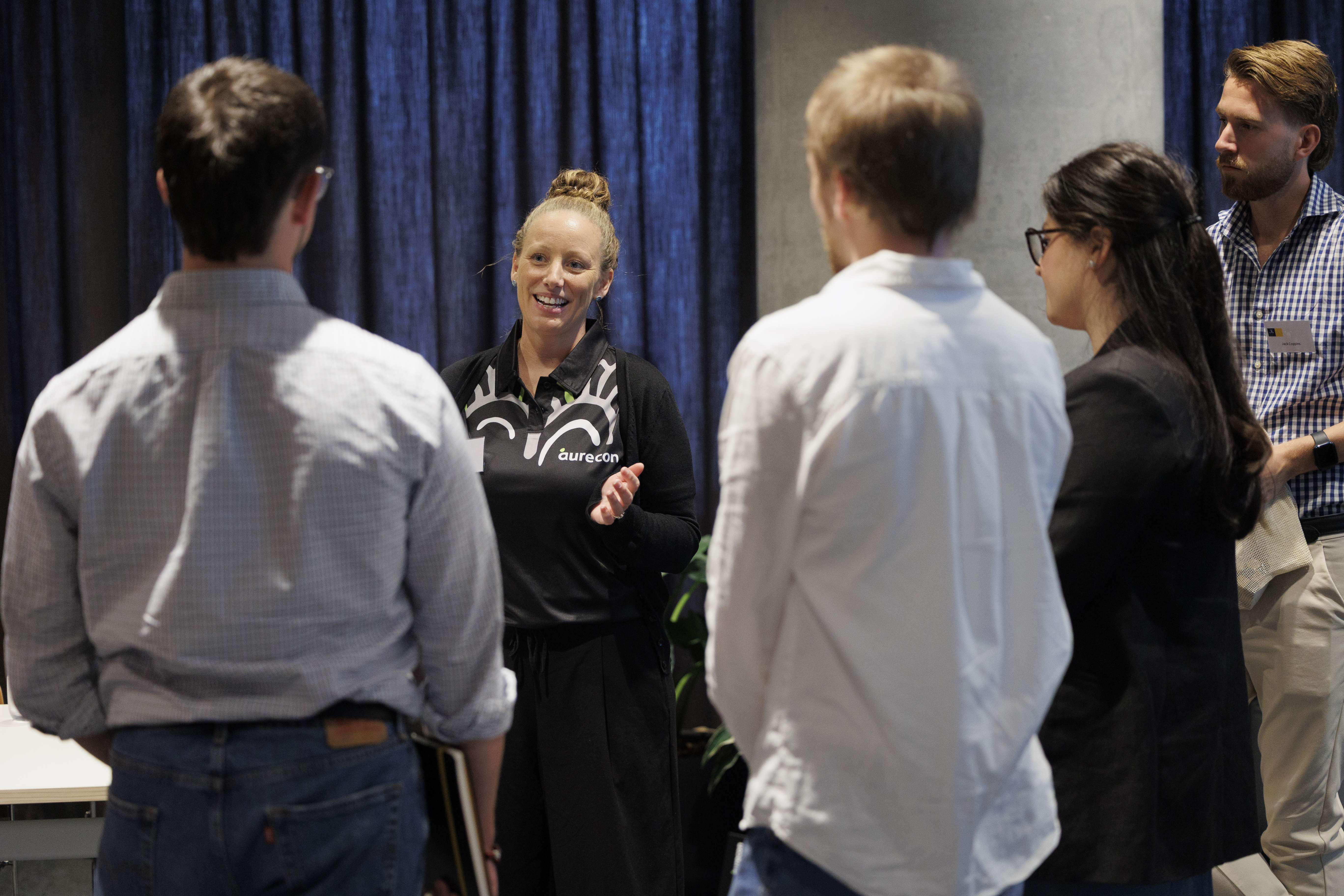
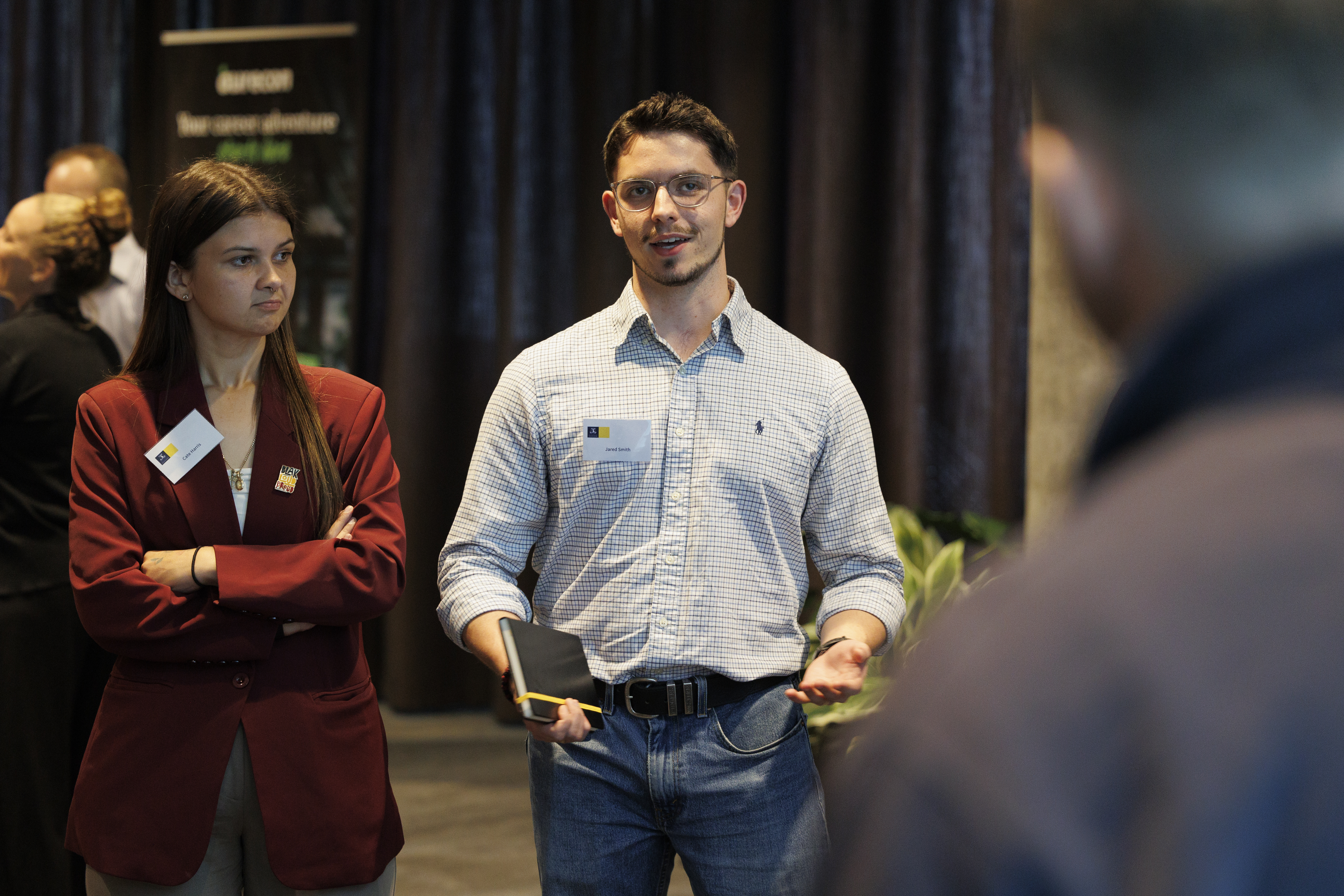
The 2026 National Indigenous Engineering Summit was a two day event hosted at The University of Melbourne. With a strong representation of Indigenous STEM students and graduates, the Summit featured exhibitor stalls and industry engagement.
2025 National Indigenous Engineering Summit
The 2025 National Indigenous Engineering Summit was a full day hybrid event. Representatives from universities and communities across Australia participated in conversations on community empowerment and pathways in the engineering and IT sector.
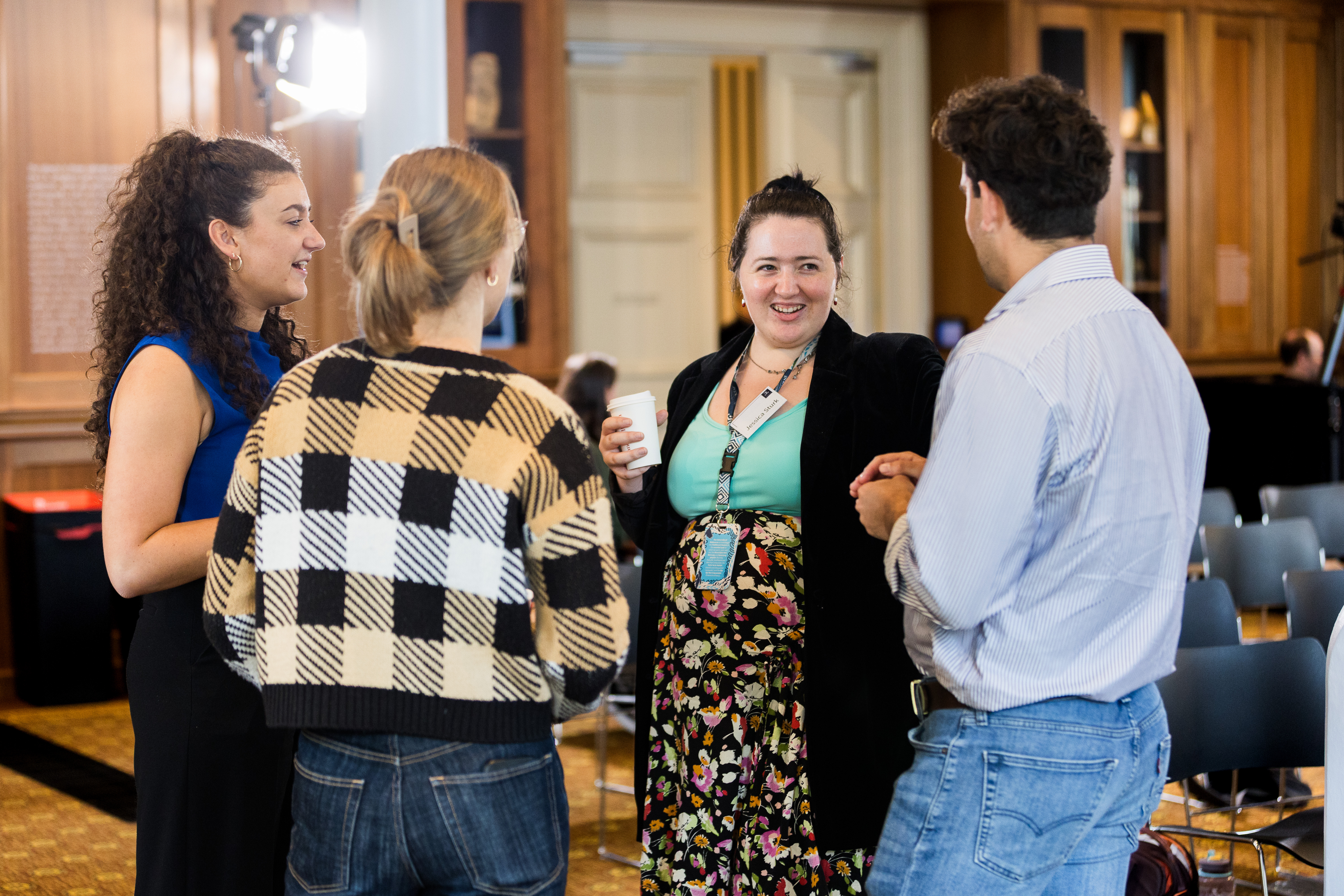
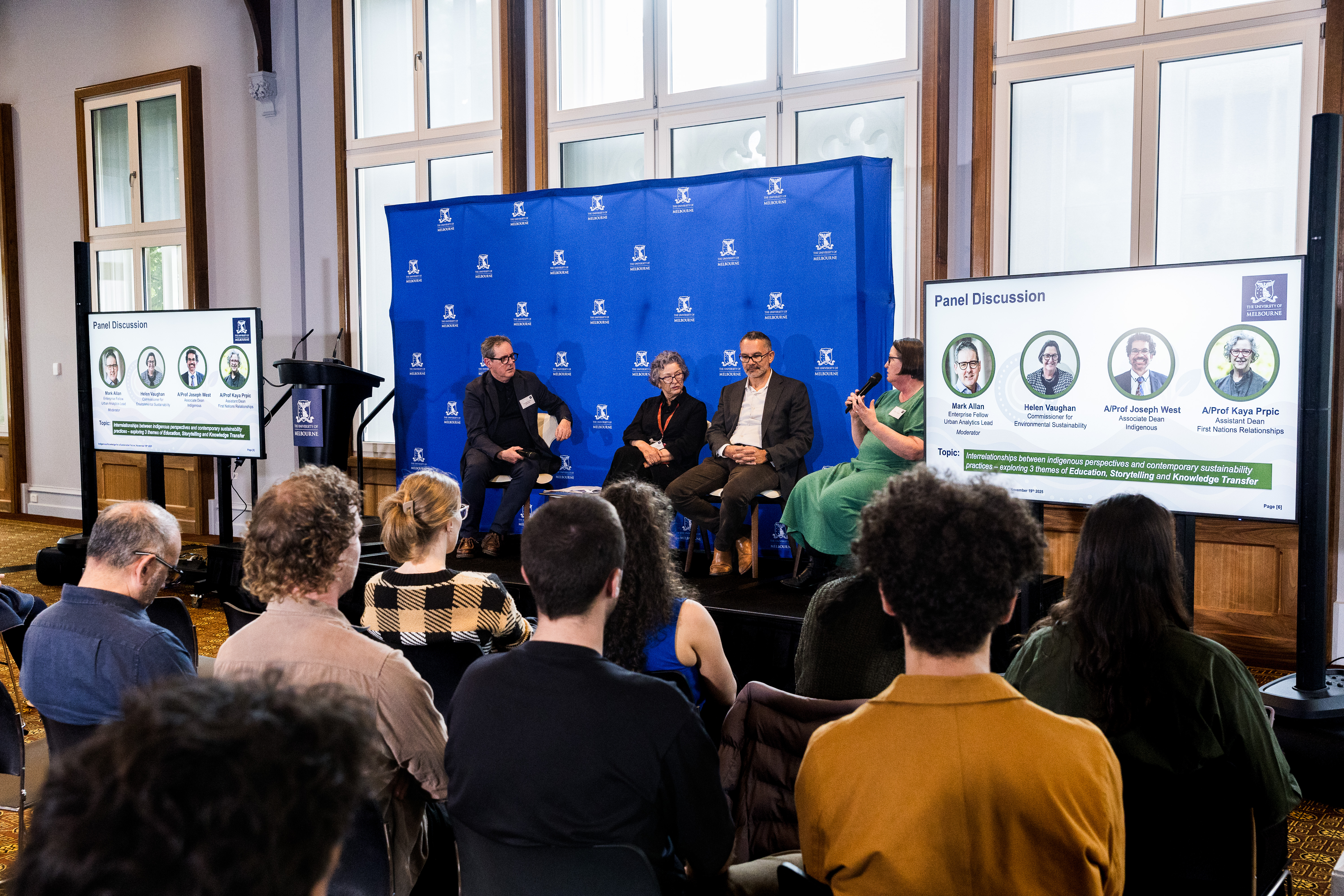
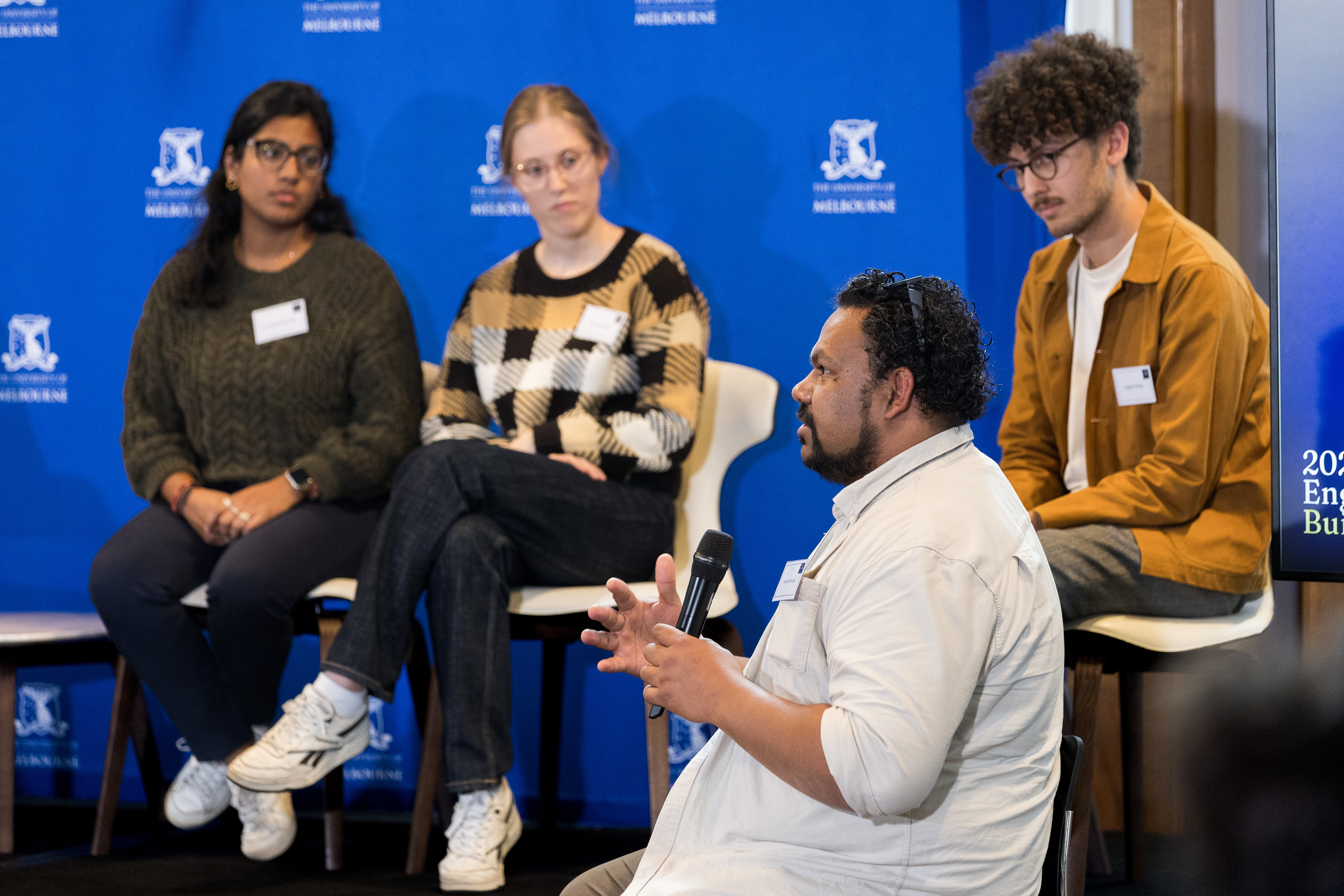
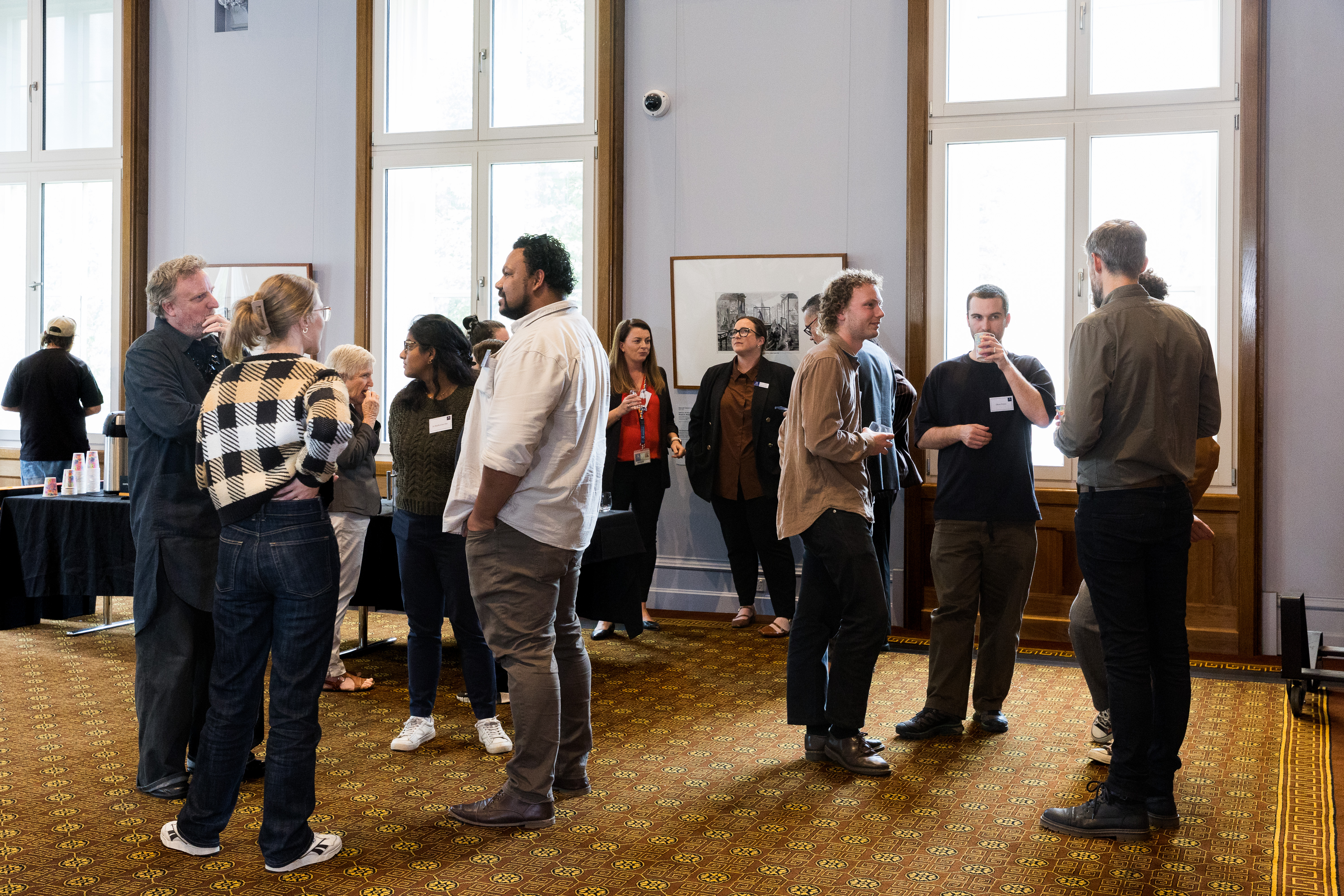
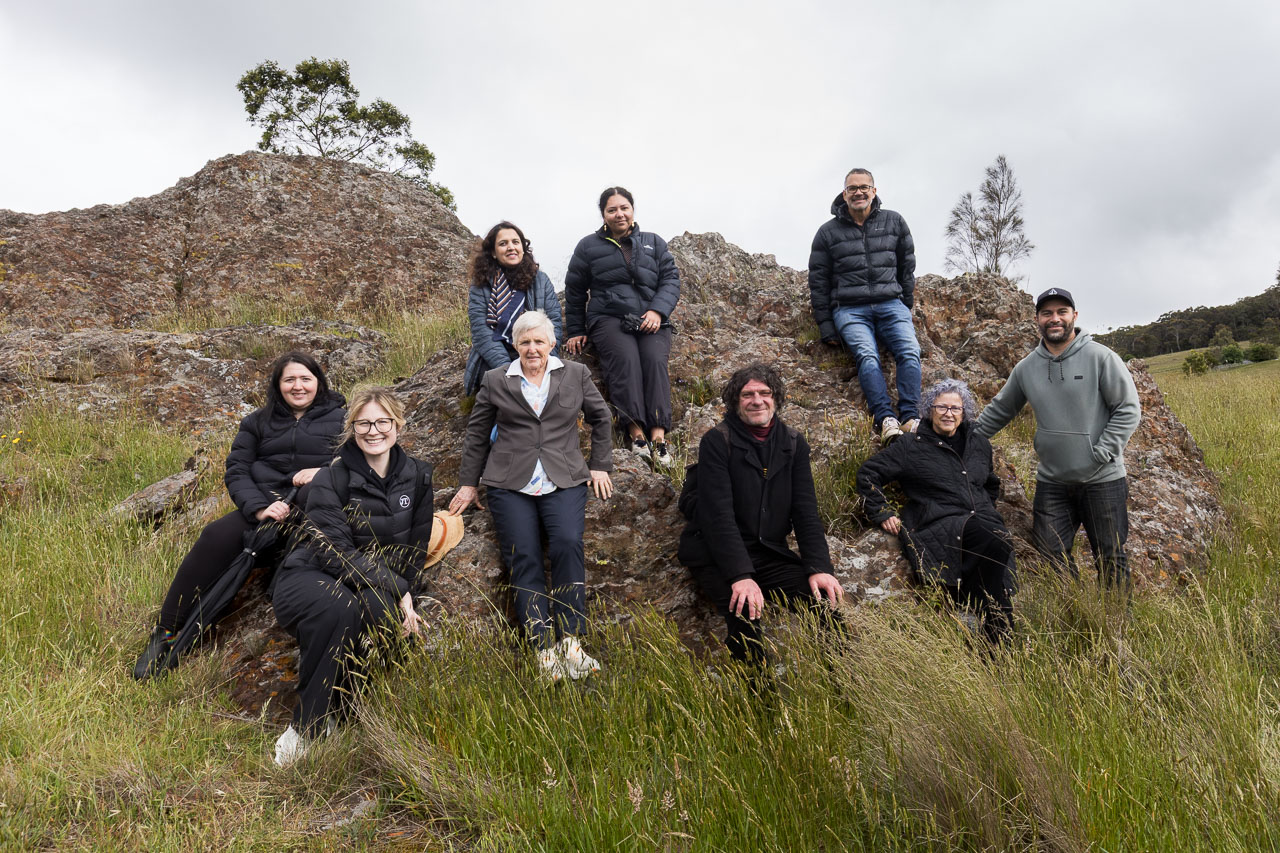
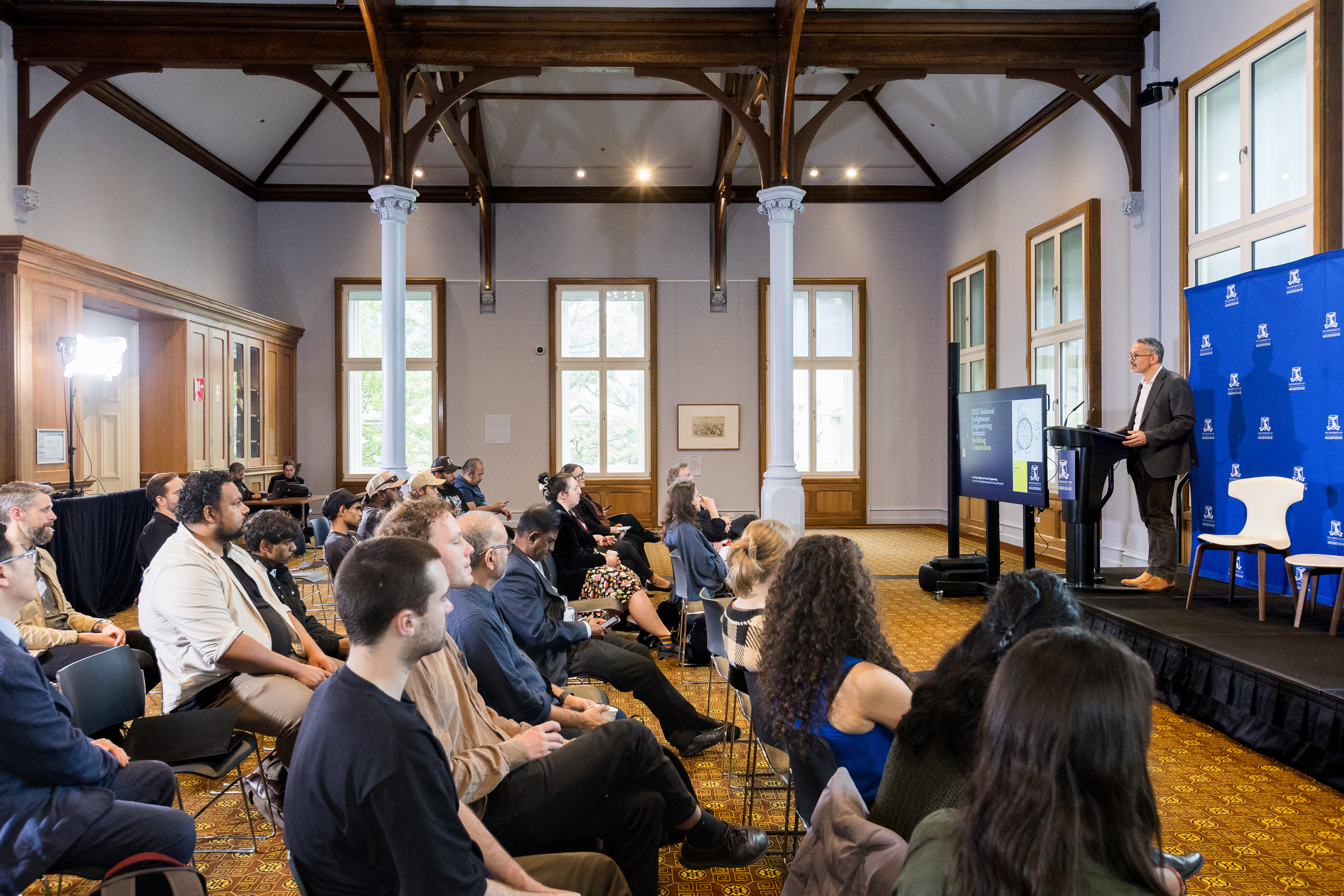
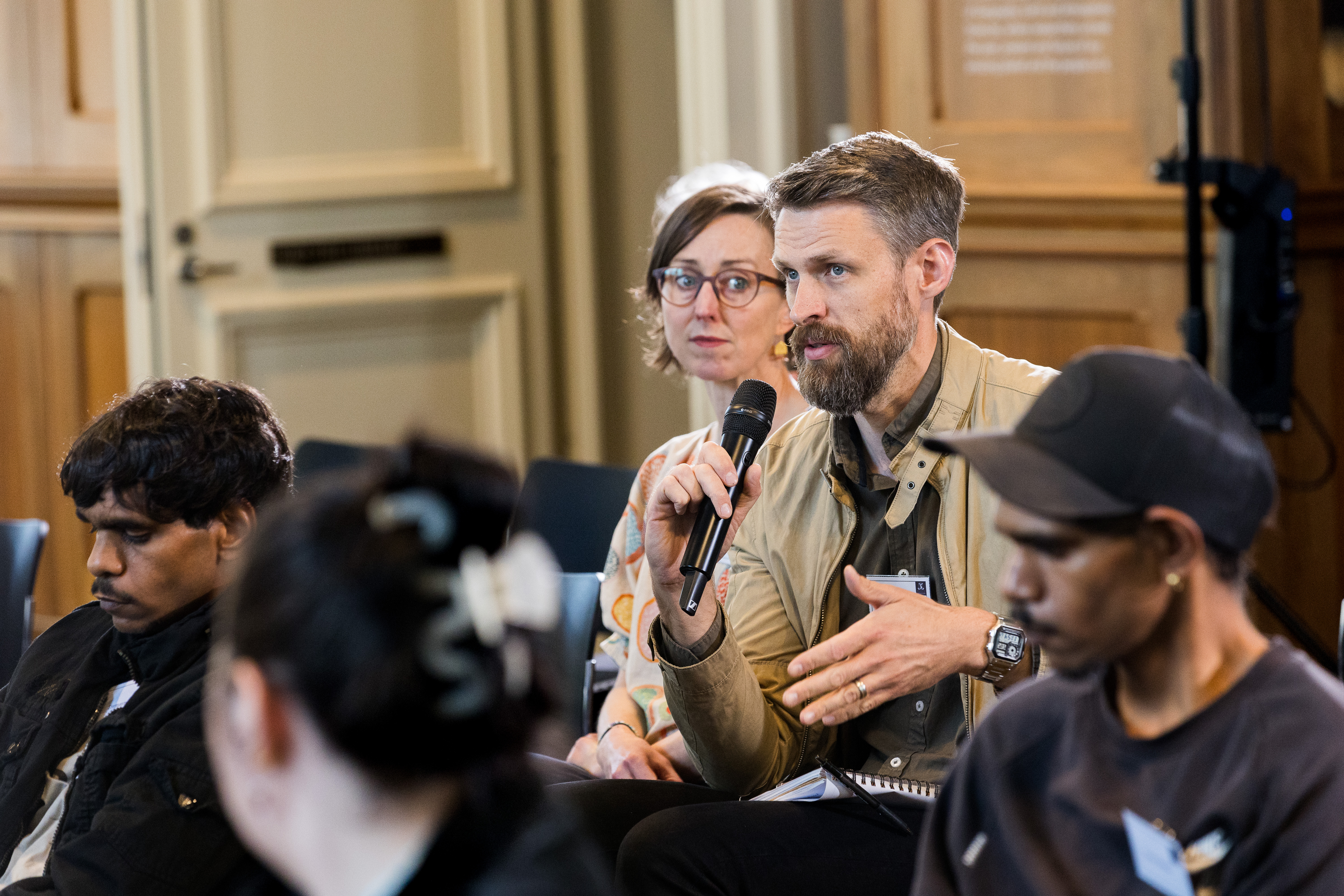
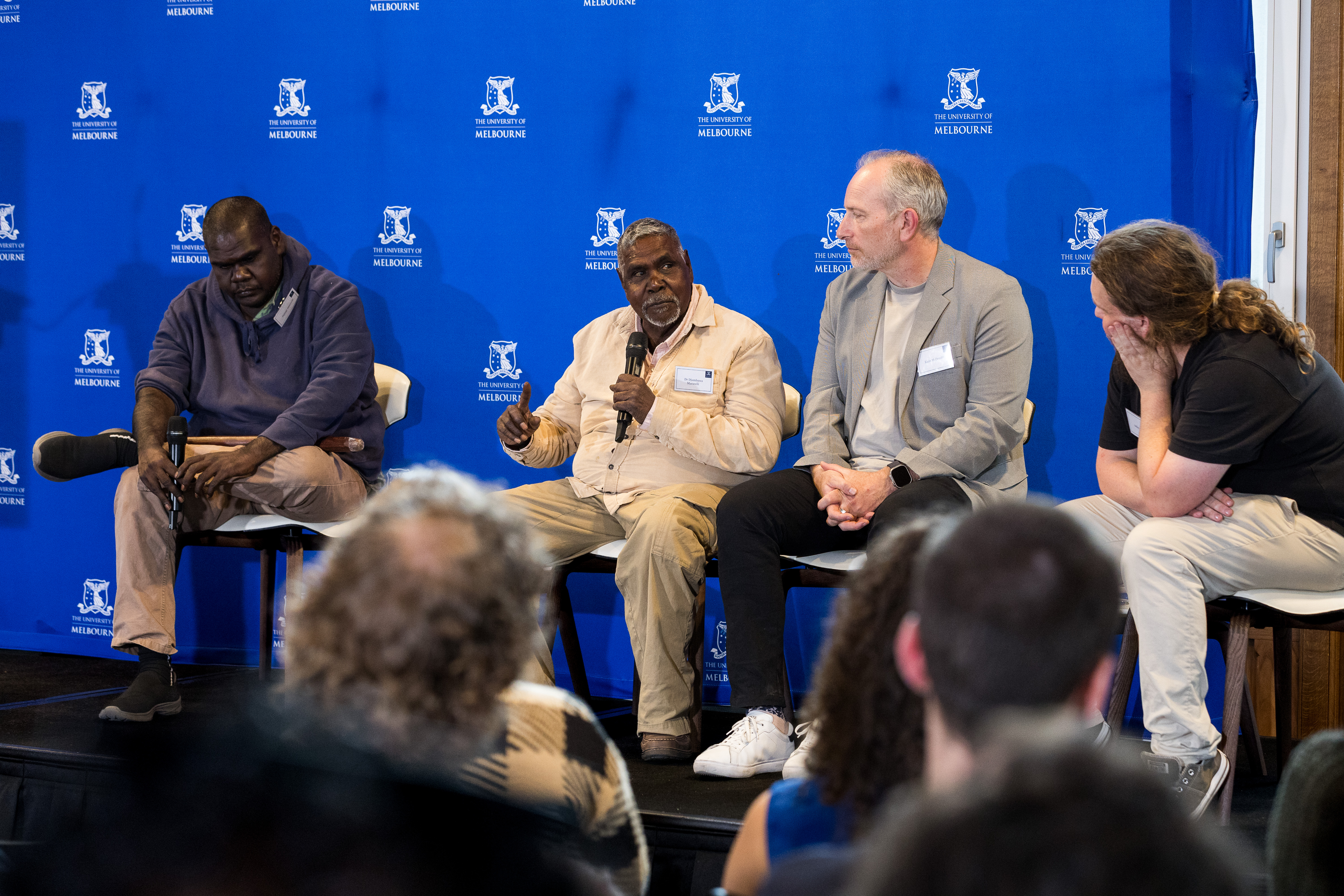
2024 National Indigenous Engineering Summit
The 2024 National Indigenous Engineering Summit convened delegates with a cultural, academic, or professional background in engineering knowledge and First Nations pathways into technical pursuits.
With a particular focus on the foundational pillars, the Summit provided a platform for delegates to explore key challenges and share insights in their development of projects, partnerships and system change whilst forming strong networks with each other.
Partner with us
If you’re interested in supporting the National Indigenous Engineering Summit, we’d love to hear from you. We're open to sponsorship, collaboration on future programming, or contributions in other meaningful ways.
To express your interest, request a prospectus, or to learn more about how you can get involved, please contact us at engit-indigenous@unimelb.edu.au.
2026 Sponsors



Contact Information
For event queries contact:
Email: engit-indigenous@unimelb.edu.au
Artist acknowledgement - Banner Image
Working with Country, Shawana Andrews, 2015
The image represents Indigenous ways of knowing and working with country that reflect a reciprocated custodial relationship with nature’s elements. Earth, fire, wind and water are featured as key elements of Indigenous engineering. Earth is represented with square blocks of knowledge that is mined not only for its industrial use and economic value but for its spiritual significance. Fire is represented as a significant means of land management and agricultural sustainability. Wind is represented through its relationship with time as cultural memories (depicted as moths) travel through generations along songlines. Water is represented by fish swimming in a reed weaved fish trap. The fish symbolise students entering and exiting the trap through recruitment, retention, graduation and capacity building.