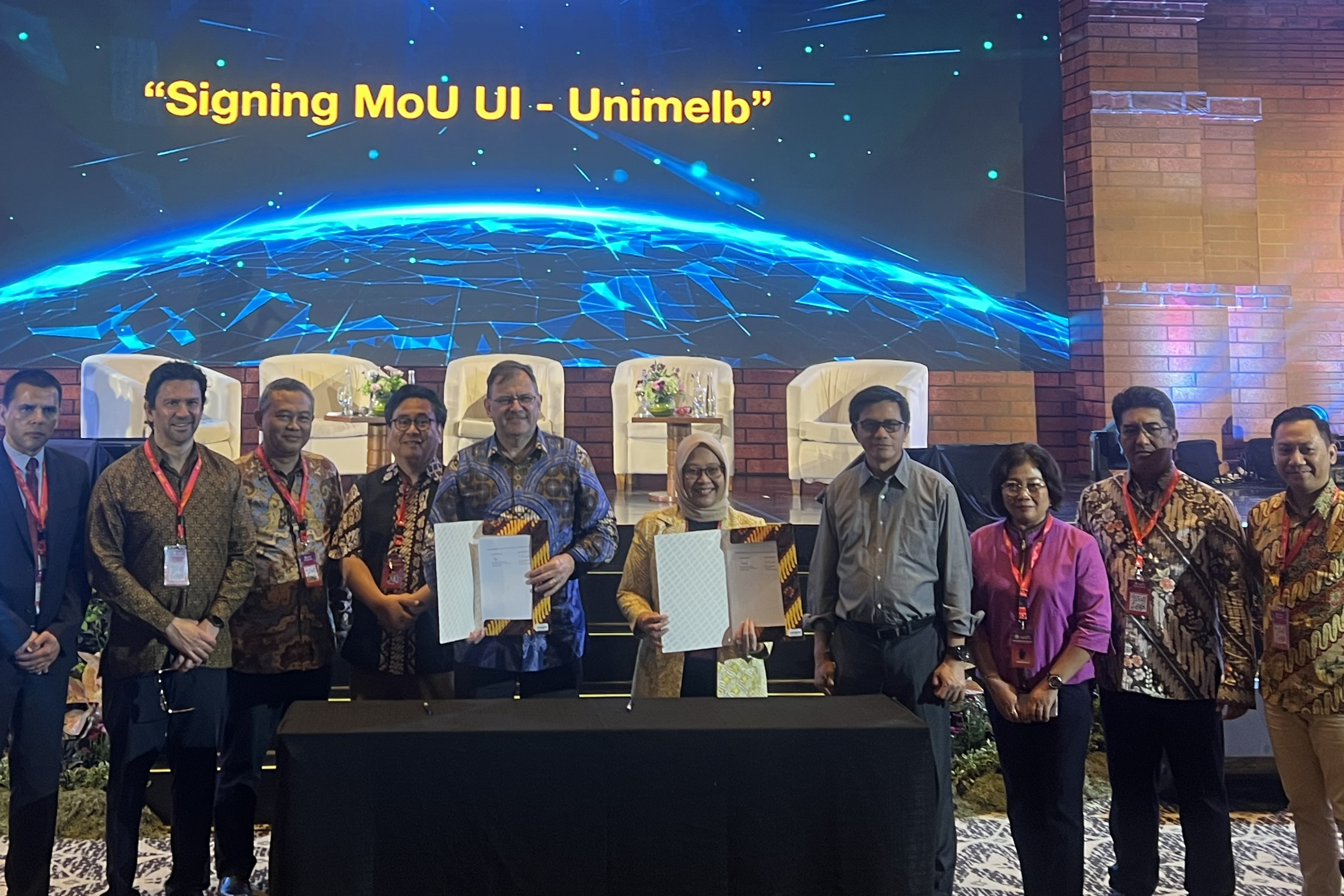
The Partnership in Research Indonesia and Melbourne (PRIME) is a milestone cooperation initiative between the University of Melbourne, Indonesia’s Ministry of Education, Culture, Research and Technology (Kemendikbudristekdikti) and leading Indonesian universities.
Established in 2021, PRIME facilitates research and academic collaboration in Health, Social Sciences, and Engineering, with the goal of addressing global challenges confronting the world today.
PRIME Engineering is the latest program under the PRIME umbrella, officially launched through an agreement signed during the World Scientific Forum of Indonesian in late 2023. It supports research collaboration between the University of Melbourne’s Faculty of Engineering and Information Technology with the established Indonesian partner universities - University of Indonesia, Gadjah Mada University and Institute of Technology Sepuluh Nopember (ITS).
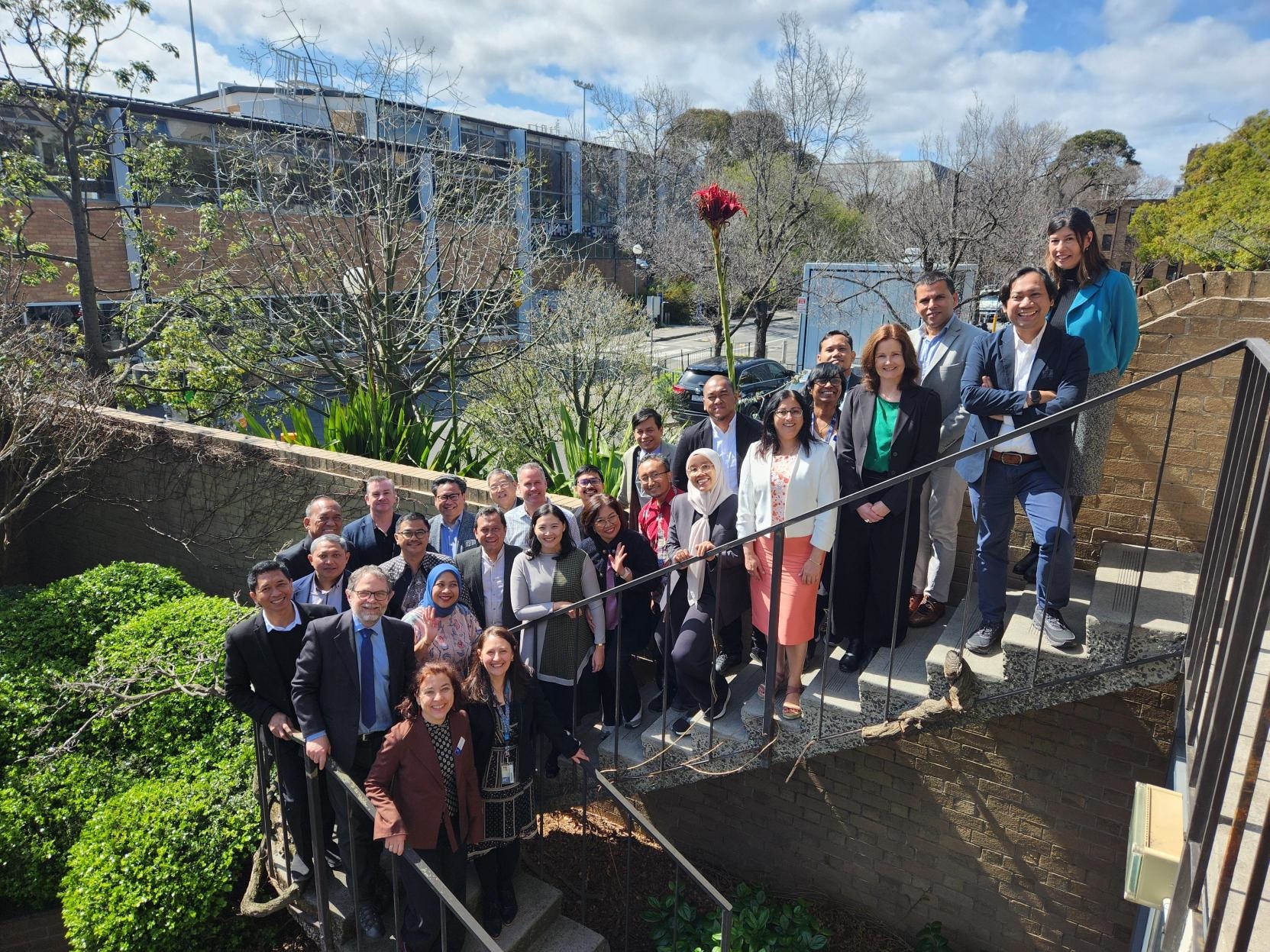
Partners
- University of Melbourne
- University of Indonesia
- Gadjah Mada University
- Institute of Technology Sepuluh Nopember (ITS).
Project description
The PRIME Engineering research collaboration focuses on technology implementation for Indonesia New Capital City, Nusantara and addresses the 2020- 2024 Indonesian National Research Priorities (PRN), portfolio areas:
- Bioengineering and biomaterial for human good health and wellbeing
- Water resources and wastewater resources recovery
- Cleaner energy and energy efficient systems and products
- Sustainable, smart, resilient, and liveable cities
Funding
PRIME is enabled by funding from the Indonesian Ministry of Education, Culture, Research and Technology (Kemendikbudristekdikti), Indonesian partner contributions, and in-kind support from the University of Melbourne. The funds support collaborative workshops, research staff and student mobility and joint publications including recommendations to government.
Expected Outputs
- Joint publications at high impact journals
- Patents and prototypes
- Recommendations for government policies
- Joint publication writing and research product development
- Joint scientific events
- Development of post-doctoral and PhD student fellowships and programs
Academic Leads/Principal Investigators
Sustainable, smart, resilient, and liveable cities

Within the scope of Sustainable Development Goal 11 of the United Nations Organisation (UNO), this area aims to integrate detailed spatial planning and land management and to develop a complete digital infrastructure map and platform for the area of New Capital City, a digital twin. A dashboard for monitoring and evaluating the smart new capital city will also help analyse the social aspects of Smart City.
- Associate Professor Jagannath Aryal, University of Melbourne
- Dr Ahmad Gamal, University of Indonesia
- Prof. Trias Aditya, Gadjah Mada University
- Dr. Adjie Pamungkas, Institute of Technology Sepuluh Nopember (ITS).
Bioengineering and Biomaterial for Human Good Health and Wellbeing

- Professor Peter Lee, University of Melbourne
- Dr Siti Fauziah Rahman, University of Indonesia
- Prof. Yudan Whulanza, University of Indonesia
The Bioengineering and Biomaterials program brings together cutting-edge engineering and life sciences to tackle some of the most pressing challenges in human health. We design advanced biomaterials, develop personalised medical implants and pioneer bio fabrication techniques that support tissue regeneration and long-term wellbeing. Through close collaboration with industry and university partners, we translate research into real-world healthcare solutions that drive innovation, improve patient outcomes, and shape the future of medical technology.
Environmental Engineering - Water Resources Conservation for Sustainable Livelihood

TheWater Resources and Wastewater Resources Recovery program aims to develop innovative techniques to address a range of challenges associated with water systems in urban areas and beyond. These challenges include reducing pollutions in our water ways, securing water supply under a changing climate, distributing water in a sustainable and equitable manner, efficient wastewater treatment and resources recovery, and flood risk mitigation. We aim to redefine the paradigms of water resources management, contributing to a more liveable and vibrant new capital of Indonesia and a more sustainable and resilient future for both human society and the environment.
- Dr Wenyan Wu, University of Melbourne
- Dr Ni Nyoman Nepi Marleni, Gadjah Mada University
- Dr Sucipta Laksono, Universitas Indonesia
Cleaner energy and energy efficient systems and products

This theme, aligned with the United Nations' Sustainable Development Goal 7, aims to explore and develop innovative solutions for renewable energy generation, energy-efficient buildings, and comprehensive energy planning in Ibu Kota Nusantara's tropical context. By addressing challenges such as intermittent renewable sources and high cooling demands, these projects seek to create a replicable framework for more sustainable energy systems in urban environments, potentially serving as a blueprint for other developing cities in tropical regions worldwide.
- Professor Lu Aye, University of Melbourne
- Prof. Dr. Ir. Adi Surjosatyo, University of Indonesia
- Dr. Ir. Rachmawan Budiarto, Gadjah Mada University
- Associate Professor Dr. Fadlilatul Taufany, Institute of Technology Sepuluh Nopember (ITS).